

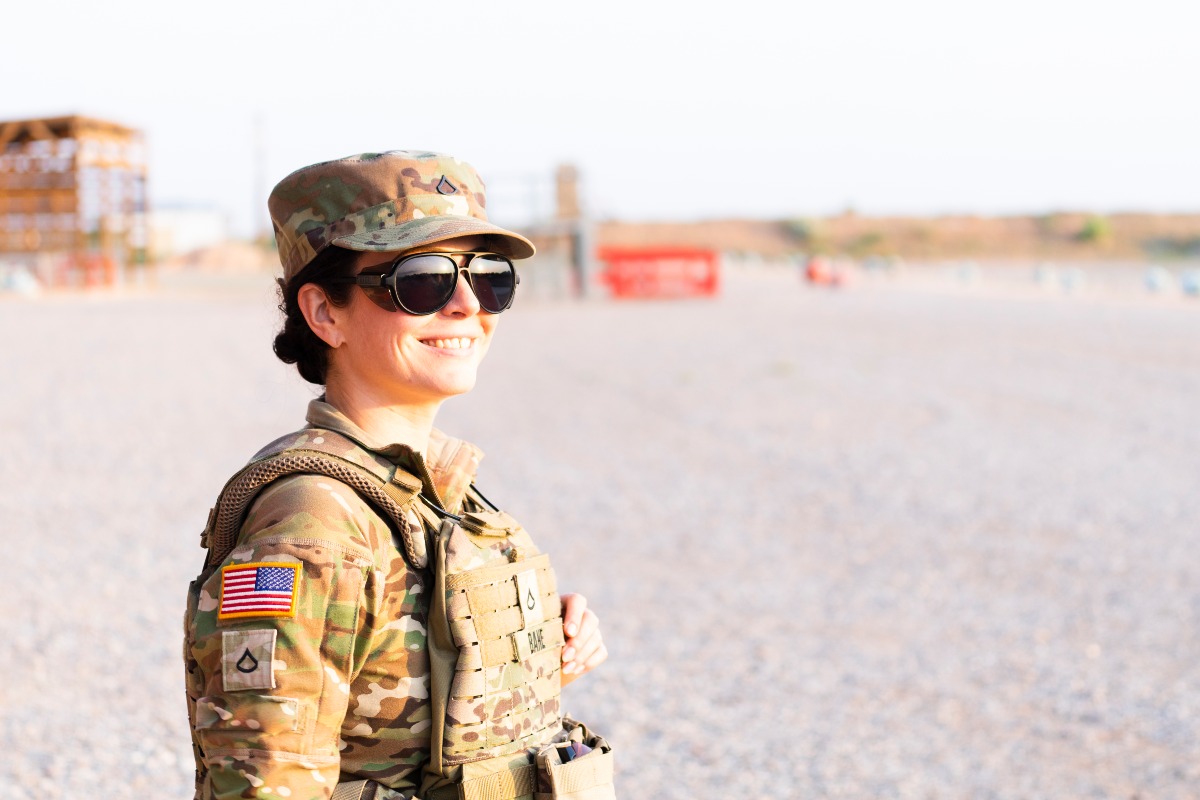
Alcohol can be commonplace in daily life. However, its widespread use can quickly develop into a problematic relationship if left unchecked or unmoderated. Unfortunately, younger veterans may have to address an entirely unique set of challenges when it comes to managing their use of alcohol. From their experiences throughout military life, the influences and cultures prevalent on-base, and the stresses younger veterans face in their transition to their civilian lives after military service, these veterans must often overcome a unique relationship with alcohol. Professional treatment may be necessary for younger veterans to overcome a reliance on the substance while creating a healthy lifestyle and routine.
The Prevalence of Alcohol Use in the Military
While the military may have strict structures and daily schedules, alcohol use is still incredibly common on military bases. For many, the use of alcohol can even be ingrained into the culture of a particular base or unit. Between its accessibility for military personnel and accepting attitudes surrounding its use, the use of alcohol can quickly become normalized for active military service members, regardless of age.
Self-Medicating the Stressors of Military Culture
However, heavy use of alcohol can become even more prevalent as a result of the emotional challenges common among active military personnel. Feelings of anxiety, the emotional tax of constantly pushing a person’s body and mind during training, emotionally preparing for the possibility of armed conflict, and even post-tour challenges such as survivor’s guilt, moral injury, and much more are all common. Coupled with the stigmas surrounding the expression of emotional needs such as trauma or PTSD, the use of alcohol can quickly become a dangerous coping strategy for pressing down these challenging emotions.
Destructive Norms of Alcohol Use
On-base atmospheres can also be incredibly influential on a person’s use and perspective of alcohol. Overly masculine environments that champion a positive attitude around drinking can be dangerous. This is especially prevalent in younger veterans, many of whom may have enlisted in service out of high school or otherwise during the younger years of their lives. For many younger veterans, these perspectives may be their first introduction to drinking and alcohol, leaving lasting impressions and introducing dangerous cultures that can continue to impact their use of alcohol even after being discharged from active duty.
Lastly, younger veterans on tour or stationed on foreign bases are subject to the local laws around alcohol. This may mean that the legal drinking age is reduced, making alcohol even more accessible. Needless to say, younger veterans often establish a unique relationship with alcohol throughout military life.
The prevalence of alcohol in the military can be wholly dangerous. Among active military personnel, about 43% of people engaged in binge drinking per month according to a study conducted in 2005. The same study found that younger service members aged 17 to 25 are the most common of those engaged in this kind of drinking. Such use of alcohol can even further exacerbate many social or health consequences long after their time in the military has concluded.
The Challenges of Transitioning to Civilian Life for Younger Veterans
For many younger veterans, the transition from active duty back into civilian life can be incredibly difficult. Veterans are tasked with processing their own stresses, anxieties, depression, or other challenges and experiences from their time on duty. Further, many may be adjusting to their new lifestyles while still carrying the perspectives and attitudes of alcohol instilled during military service.
Exploring new career paths can add a new dimension of stress for younger veterans as they develop a new lifestyle entirely. Coupled with the lack of established structures and routines from the military, it is common for younger veterans to fill their newfound free time with familiar habits, such as using alcohol. However, this can birth further feelings of anxiety and depression. In addition, alcohol use can exacerbate the challenges of overcoming trauma, PTSD, and much more in younger veterans, as well as compromise their efforts to establish a new career path as a veteran.
Pursuing professional treatment for addressing the continued effects of alcohol use on younger veterans is necessary to create a healthy and sober daily routine. Moreover, treatment can help younger veterans process the stresses that they may face on a daily basis throughout veteran life.
Finding Professional Treatment for Younger Veterans
Alcohol use is common among all branches of the military. Younger veterans, however, can be most susceptible to the lasting perceptions and dangers of excessive alcohol use. Professional treatment to understand how the cultures and stresses of military life can continue to impact younger veterans’ use of alcohol is necessary to create a healthy approach to civilian life. Fortunately, professional treatment offers many other advantages for younger veterans establishing their own best practices and approach to civilian life.
Connecting to peers is necessary to better understand the connection of alcohol use to persistent traumas, PTSD, or other challenges. It can be difficult for those who have not lived through military trials to understand the unique challenges veterans face, with even family members not being able to truly and wholly share these experiences. Professional alcohol treatment in Hawaii can help address the use of alcohol in younger veterans. In addition, treatment can also explore communities that can support a healthy transition to daily civilian life, transition to new career paths, and establish a community of support for a healthy future.
Younger veterans have a unique set of challenges to overcome when transitioning to civilian life. The caring, trained professionals at Hawaii Island Recovery can help you take your first step toward a healthy and fulfilling life after service. From dedicated recovery programs to a focus on the natural and spiritual healing opportunities of Hawaii, we are prepared to create a completely personalized recovery program to help you overcome addiction while instilling the skills, mentalities, and practices necessary to pursue your next personal goals. Our approach to healing considers the whole self and each of a person’s needs or goals for continued success and sobriety. For information on our alcohol treatment in Hawaii, call (866) 390-5070.