We Accept With Most Major Insurances







Veteran Suicide Prevention and Support
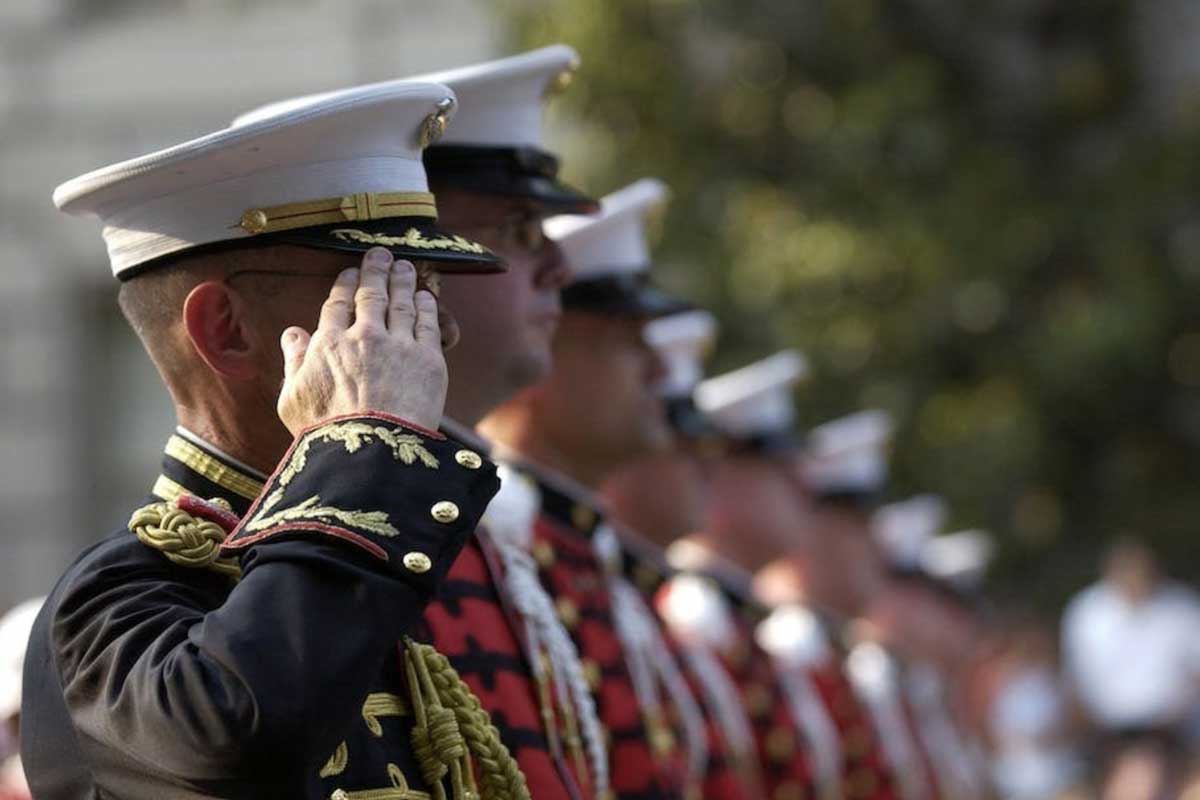
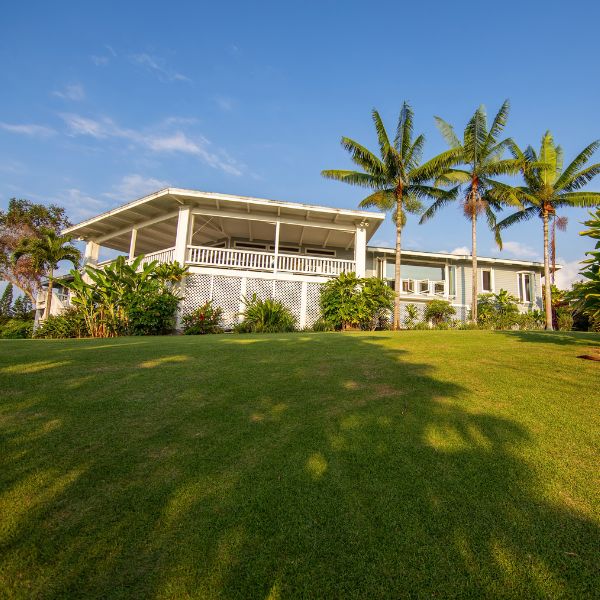
Suicide is a tragedy that can affect anyone. However, veterans have one of the highest suicide rates among any demographic, with an estimated 17 veterans per day dying by suicide. Hawaii Island Recovery provides the military community with direct clinical and peer crisis support for veterans.
At Hawaii Island Recovery, we work alongside the U.S. Department of Veterans Affairs to not only address suicidal thoughts, but also to comprehensively address the experiences and challenges that inform suicidal ideation in veterans. Our whole-person suicide prevention program helps individuals make the connection between veteran PTSD and suicide risk by providing veteran mental health crisis resources through our suicide prevention coordinators and peer support.
Veterans and active military adults with substance use disorders and co-occurring mental health concerns, including trauma and PTSD from active service, can enter our residential care facility for medically supervised detox. Our individualized, patient-centered care includes evidence-based programming for no more than 8 patients at a time. In Kailua-Kona, veterans will begin healing within a peer community of service members who understand their lived experience.
Veteran Suicide Prevention Resources
When emergency mental health care for veterans is needed, contact the Veterans Crisis Line for immediate support with crisis intervention.
- Dial 988 + Press 1
- Text 838255
- Chat online at veteranscrisisline.net
Alternatively, you can dial 911 to reach your local emergency department for immediate danger due to suicidal behaviors. For more resources, contact Veterans Affairs (VA) or the Veterans Health Administration resources.
Hawaii Island Recovery provides longer-term support for veterans in crisis whose substance use, trauma, PTSD, or other challenges may contribute to ongoing suicide risk. Help the veteran in your life find care by submitting an online verification of insurance (VOI) form on their behalf.
Hawaii Island Recovery provides longer-term support for veterans in crisis whose substance use, trauma, PTSD, or other challenges may contribute to ongoing suicide risk. Help the veteran in your life find care by submitting an online verification of insurance (VOI) form on their behalf.
Whole-Person Healing Rooted in Hawaii
Hawaii Island Recovery takes a whole-person approach to healing, recognizing the connection between mind, body, and spirit. From detox and residential treatment through IOP and aftercare, patients are supported within a close-knit community and a setting that incorporates the culture, environment, and spirit of Hawaii.
Intimate, Individualized Care
With no more than eight patients at a time, we offer a highly personalized setting where each person can receive focused attention, develop meaningful relationships with staff, and work toward lasting change.
Mind, Body, and Spirit
Healing extends beyond addressing substance use. Patients can participate in evidence-based therapies alongside yoga, meditation, acupuncture, massage, fitness, nutrition, and other services that support physical, emotional, psychological, and spiritual well-being.
The Healing Environment of Hawaii
Located in Kailua-Kona, we incorporate our island setting into the recovery experience. Local culture, community, and cuisine are woven into programming to help patients experience recovery as a way of living, not simply a period of treatment.
A Connected Continuum of Care
We offer detox, residential treatment, and IOP, creating a pathway for patients to receive ongoing support as their needs change. Continuing care and aftercare remain an important part of helping each person carry the work of healing into everyday life.
Community as Part of Recovery
Recovery happens in relationships with others. We foster a strong sense of community where patients can build connections, practice healthy ways of relating, and develop a support system that can extend beyond their time in residential care.
A Foundation for Life Beyond Treatment
The goal is not simply to complete a program, but to help patients move toward greater self-reliance, purpose, and freedom from substance dependence. Our holistic approach gives patients space to discover how recovery can fit into the life they want to build.
Getting Started Is Easy
Hawaii Island Recovery is here to help you transform this commitment into action, working with you to make beginning your healing journey as smooth and easy as possible while providing support each step of the way.
Step 1
Call Now!
Our intake specialists are available 24/7 and always happy to hear from you.
Step 2
Visit Hawaii
We work with various insurance plans to make our luxury facilities more accessible.
Step 3
Break Free
Get the tools you need to break free from addiction once and for all.
Understanding Suicide Risk Among Veterans
Veterans experience a much higher rate of suicide risk than any other group due to their exposure to life-threatening or otherwise traumatizing experiences during service. In order to care for this valuable portion of our population, we need to provide community support by increasing our awareness of the signs and symptoms of suicide.
Addressing Suicide Among Veterans
Civilian reintegration after military service often results in a sense of isolation and loss of purpose for veterans. They frequently return to civilian life carrying trauma, which can develop into depression and/or PTSD. This can result in a sense of isolation and self-medication through substance use.
As behavioral patterns emerge and evolve, it is not uncommon for veterans to find their mental health needs escalating along with substance abuse.
As behavioral patterns emerge and evolve, it is not uncommon for veterans to find their mental health needs escalating along with substance abuse.

Warning Signs of Suicide Risk in Veterans
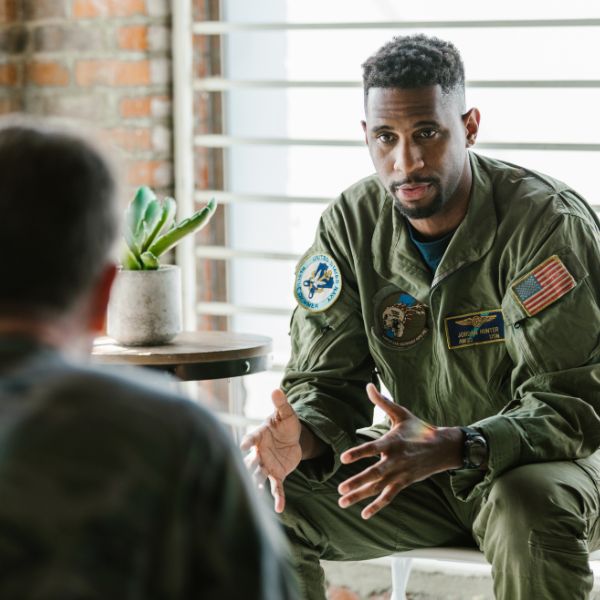
Recognizing the signs of veteran suicidal ideation is the first step in taking action to prevent its devastating effects. If you or a loved one are experiencing any of the following symptoms, professional treatment may be necessary:
- Depression
- Persistent feelings of anxiety, panic, or anger
- Isolation/withdrawal
- Excessive use of drugs or alcohol
- Decrease in concern for own health or safety
- Expressing feelings of worthlessness
- Making a will
- Giving away personal items
These signs reflect the need for intervention and professional treatment.
Ready to Experience the Hawaii Island Difference?
Our compassionate team of behavioral health experts will help you start this incredible journey as seamless as possible.
How to Help a Veteran at Risk for Suicide
To support your loved one, first learn the warning signs of suicide. If a veteran in your life has had a prior suicide attempt, is experiencing substance use or mental health issues, has access to weaponry, suffered a recent personal loss, or is experiencing financial or relationship problems, these are signs they may be at risk.
Next, get comfortable asking them their thoughts and feelings about suicide. When they talk, listen more than you speak. You can support them by reminding your veteran you are there for them, letting them decide how much to share, and making encouraging comments during the conversation.
If you ask them whether they are having thoughts of suicide and they say “yes,” tell them you want to dial 988 together and press 1 to reach the Veteran Crisis Line. If someone already has a suicide plan, immediately dial 911.
Finally, find resources and make them available to the veteran, such as the Veteran Crisis Line, which offers 24/7 confidential support. Knowing they can speak to someone without repercussions may ease any sense of isolation. You can also utilize the VA.gov website to gather further resources, or contact Hawaii Island Recovery if there is no immediate danger of suicide.
Preventing Veteran Suicide
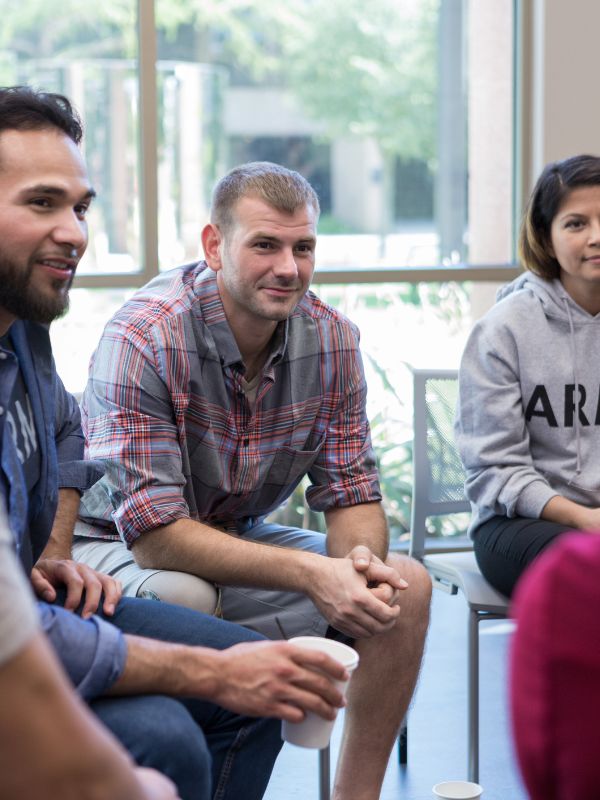
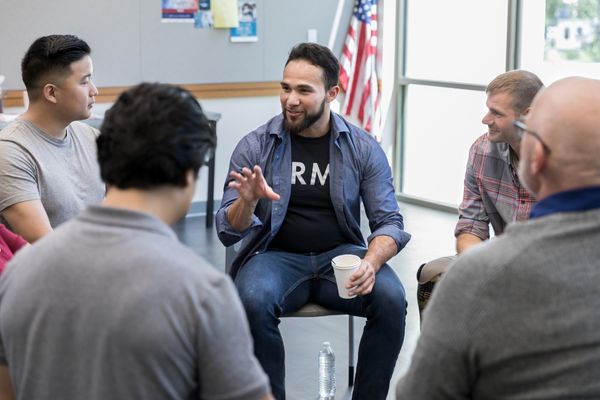
On the Big Island, we believe in the power of Aloha as a healing curriculum for suicide prevention. The Aloha lifestyle is rooted in respect, connection, and harmony. We use this as a basis to weave cultural modalities, local cuisine, and nature-based experiential activities directly into daily life, working with veterans and their loved ones to better understand the healing challenges they face.
At Hawaii Island Recovery, veterans are invited to step away from everyday triggers and mainland stressors to find a fresh start surrounded by ocean air, tropical nature, and a supportive community. Together with our team, veterans and their families create effective veteran suicide prevention plans that include aftercare.
At Hawaii Island Recovery, veterans are invited to step away from everyday triggers and mainland stressors to find a fresh start surrounded by ocean air, tropical nature, and a supportive community. Together with our team, veterans and their families create effective veteran suicide prevention plans that include aftercare.
Ask Directly
Asking veterans directly how they are feeling and what thoughts they are having keeps dialogue open and honest, and can reveal other factors that may inform veteran suicide, such as trauma, PTSD, or depression, allowing you to take preventive action when a veteran is at risk.
Listen and Validate
Create an atmosphere of understanding, support, and caring in these discussions to further support veterans in suicide prevention. Leave judgment at the door, and proceed in conversation with compassion, validating their feelings and thanking them for giving voice to what troubles them. Sharing is vulnerable, and they are demonstrating trust by opening up.
Encourage Professional Support
You can not and should not be responsible for the well-being of a suicidal veteran. Encourage them to seek professional support. You can offer to call 988 plus option 1 alongside them, or help them locate an appropriate mental health or medical professional.
Create a Safer Environment
Along with compassion and support, practice healthy boundaries by removing weapons and drugs from any spaces shared with suicidal veterans. Keep a list of resources easily accessible, both for yourself and for them.
Veteran Suicide Safety Planning and Lethal Means Safety
A safety plan is a valuable tool for suicide prevention that lists personal warning signs, trusted contacts, coping strategies, and professional and crisis resources. Part of safety plan development includes assessing the location where the person at risk is dwelling for lethal means, or objects or methods that can be used to end a person’s life in a suicide attempt.
When practicing lethal means safety, first remove access to any objects or methods the veteran may have identified in a suicide plan. This may include guns, knives, scissors, medications, or other lethal means. Keeping them out of reach creates a barrier to self-harm.
Engaging in lethal means safety is a voluntary and intentional practice to reduce suicide risk.
Also maintain a contact sheet for trusted friends and family members. Making them aware that help may be needed reduces isolation, which is often cited as a contributor to suicide attempts.
Our Professional Support for Veterans
Hawaii Island Recovery is committed to serving veterans of all branches of the military with comprehensive, trauma-informed care. Our whole-person approach to physical, emotional, and spiritual healing is curated for veteran-specific care.
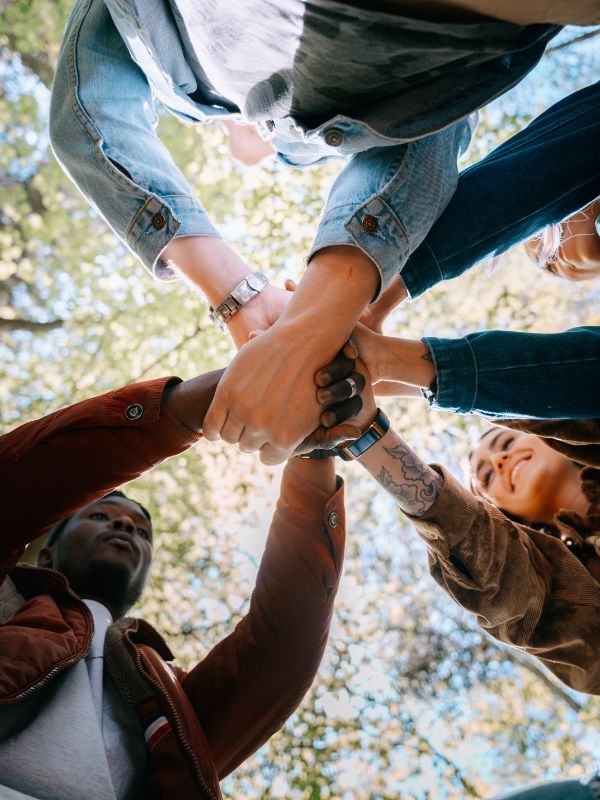
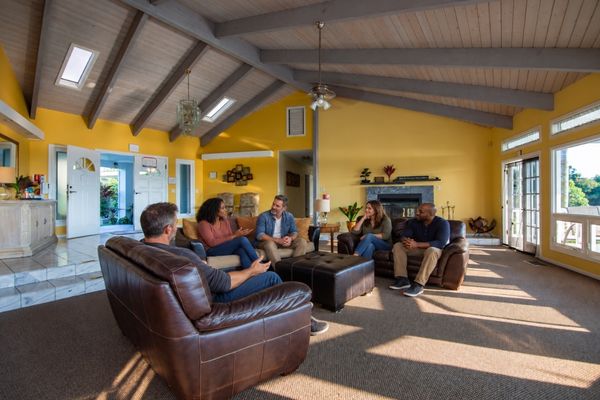
On the Big Island, you will find a safe space with community where you can begin the process of understanding, acceptance, and healing. At Hawaii Island Recovery, veterans come together in solidarity to overcome trauma, substance use, and suicidal thoughts in a safe and supportive atmosphere.
On the Big Island, you will find a safe space with community where you can begin the process of understanding, acceptance, and healing. At Hawaii Island Recovery, veterans come together in solidarity to overcome trauma, substance use, and suicidal thoughts in a safe and supportive atmosphere.
Addressing PTSD, Trauma, and Substance Use
Trauma, PTSD, depression, and substance use can overlap for veterans. For many, substance use is a coping mechanism for managing mental health issues. These issues can significantly impact veterans’ quality of life and overall well-being. We recognize the importance of addressing these concerns with specialized care that honors their service while providing effective treatment.
At Hawaii Island Recovery, we employ multiple evidence-based modalities to address mental health and co-occurring substance use for suicide prevention in veterans. These include:
At Hawaii Island Recovery, we employ multiple evidence-based modalities to address mental health and co-occurring substance use for suicide prevention in veterans. These include:
- EMDR
- CBT
- DBT
- Relapse prevention
By choosing Hawaii Island Recovery, veterans can access a supportive, understanding environment where they can address their mental health and substance abuse issues, develop healthy coping strategies, and work towards a fulfilling, substance-free life. Our therapeutic curriculum instructs veterans on how to identify unhelpful thoughts and behaviors and replace them with meaningful, sustainable coping skills. These skills are practiced in individual and group psychotherapy settings, allowing for the support of peers in recovery.

Additionally, through somatic approaches as well as mindfulness and meditation, patients discover new ways to transition to post-military life.
Reaching out for support is a sign of strength, not weakness. At Hawaii Island Recovery, we offer compassionate, veteran-specific care options that understand the unique context of your service and its long-term impacts. We do this recognizing that finding healthcare providers who truly understand the unique experiences of veterans can be challenging. Our specialized care can make a world of difference.
Reaching out for support is a sign of strength, not weakness. At Hawaii Island Recovery, we offer compassionate, veteran-specific care options that understand the unique context of your service and its long-term impacts. We do this recognizing that finding healthcare providers who truly understand the unique experiences of veterans can be challenging. Our specialized care can make a world of difference.
Supporting Veterans Through Civilian Reintegration
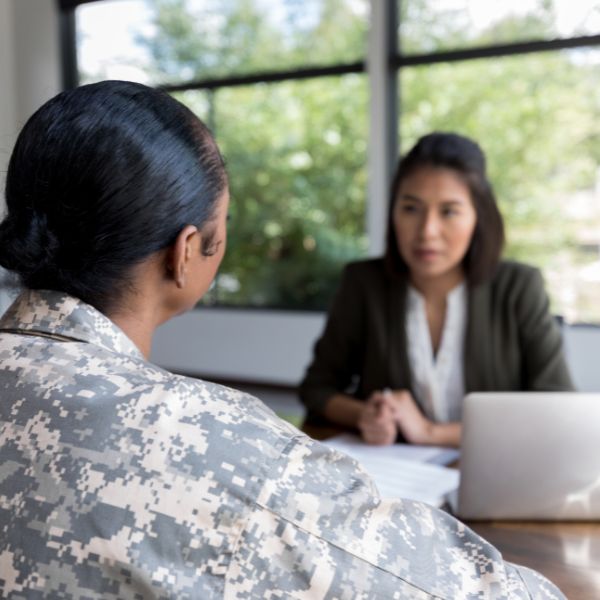
Active duty military personnel often face significant mental trauma due to the unique stressors and experiences of their service. Combat exposure, prolonged deployments, and witnessing or experiencing life-threatening situations can lead to a range of mental health challenges. Balancing these stressors, along with potential traumatic brain injury (TBI) sustained during military training and operations, has long-lasting effects on cognitive function and emotional regulation.
Veterans don’t have to fit a stereotypical image of someone in crisis to deserve support. Rebuilding routines, relationships, and identity after military service is enough of a challenge. Through support at Hawaii Island Recovery, veterans are able to relocate their sense of purpose through community, peer connection, and the development of healthy coping mechanisms. These skills filter into family, friend, and work relationships, positively impacting overall quality of life.
Veterans don’t have to fit a stereotypical image of someone in crisis to deserve support. Rebuilding routines, relationships, and identity after military service is enough of a challenge. Through support at Hawaii Island Recovery, veterans are able to relocate their sense of purpose through community, peer connection, and the development of healthy coping mechanisms. These skills filter into family, friend, and work relationships, positively impacting overall quality of life.
Whole-Person Healing for Veterans
Hawaii Island Recovery provides whole-person healing for veterans through holistic and somatic opportunities including:
- Meditation
- Yoga
- Acupuncture
- Massage
- Experiential therapy
- Adventure/activity therapy
Our care includes nutrition, cultural programming, local cuisine, and Hawaii’s incredible natural setting, where veterans can heal in a peer community.


Early Intervention Can Make a Difference
Addressing mental trauma in active-duty military requires a comprehensive approach that includes early intervention, evidence-based treatments, and a supportive environment that reduces stigma around mental health care. There is no need to wait for an overdose, suicide attempt, hospitalization, or severe functional decline before seeking help.
At Hawaii Island Recovery, we address escalating substance use, trauma symptoms, isolation, or hopelessness early to create an opportunity to build healthier coping strategies before a crisis develops. We do this by offering compassionate, veteran-specific care options that understand the unique context of your service and its long-term impacts.
At Hawaii Island Recovery, we address escalating substance use, trauma symptoms, isolation, or hopelessness early to create an opportunity to build healthier coping strategies before a crisis develops. We do this by offering compassionate, veteran-specific care options that understand the unique context of your service and its long-term impacts.
Ready to Experience the Hawaii Island Difference?
Our compassionate team of behavioral health experts will help you start this incredible journey as seamless as possible.
TRUSTED IN OUR INDUSTRY
Accreditations


Hawaii’s only licensed addiction treatment center accredited by both The Joint Commission and CARF.
FAQs
Can veterans receive suicide prevention support if they are also struggling with substance use?
Veterans who experience suicidal ideation and co-occurring substance use are welcome at Hawaii Island Recovery. As part of our healing curriculum, we treat dual diagnoses in a serene, private environment.
Can veterans travel to Hawaii for addiction and mental health support?
Yes, veterans are welcome to travel to Kailua-Kona, Hawaii, for addiction and mental health support. Our staff at Hawaii Island Recovery will facilitate your arrival and tour, ensuring you receive a warm welcome as you consider healing on the Big Island.